The Story
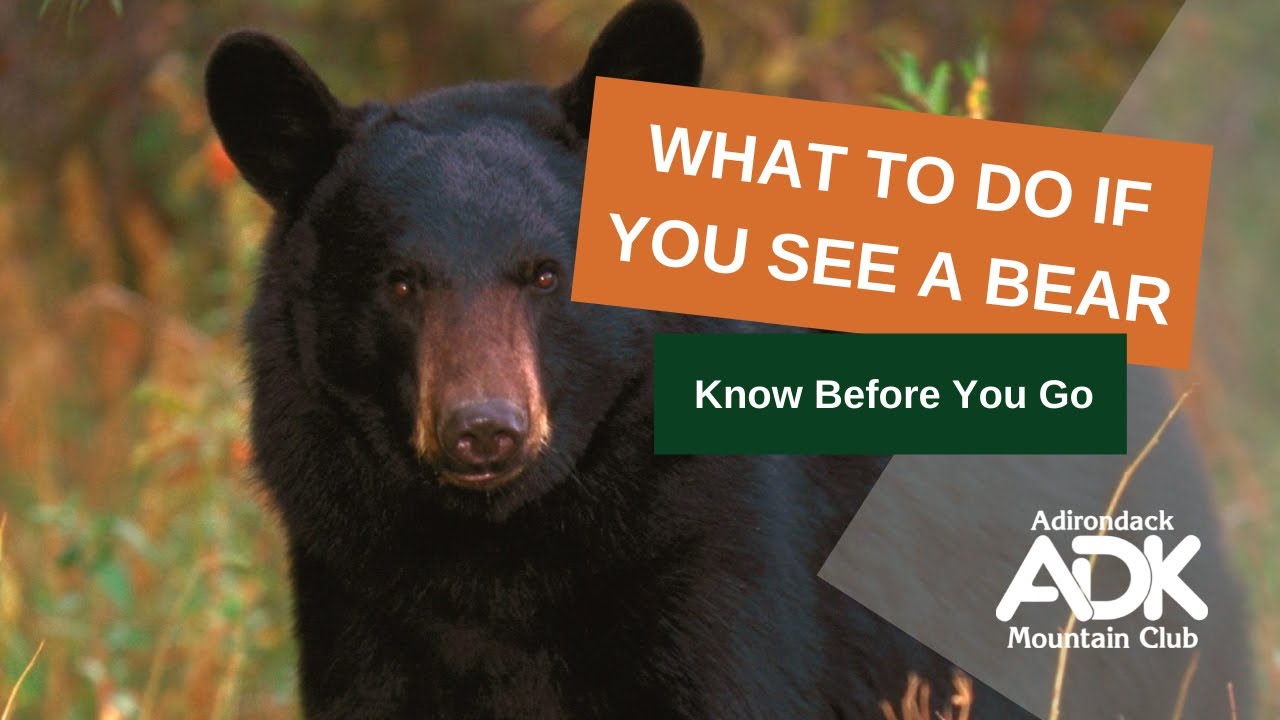
An American black bear fills the frame, ears up, brown muzzle pointed straight at the lens, autumn brush glowing behind it. It is looking right back, and the next decision belongs to the person behind the lens.
Two field marks are on show: erect, rounded ears and a long brown muzzle, paler than the dark body fur. Coat color proves little by itself, since black bears can also be cinnamon, blonde, blue-gray or even white.
The Adirondack Mountain Club made this short tip for hikers in New York's Adirondack Park. Meetings there are uncommon, and the likeliest hours fall between dusk and dawn. That window takes in the species' busiest times, since black bears are generally most active at dawn and dusk.
A big part of the advice is about food, and the species explains why it matters: black bears smell better than dogs. Keep food on you, in a bear canister, or hung out of reach where land managers allow it, and leave nothing tasty in a pack dropped by the trail. A bear that gets fed this way learns that approaching people pays, and New York's DEC warns that unintentional feeding may in the end be deadly for the bear if it becomes a greater threat to people and property.
Distance gets a field test. Hold out a thumbs-up, close one eye and try to hide the bear behind the thumb. If it shows around the edges, back away.
If the bear stays put, or strolls into camp at dinner, look big: stand tall, grab a branch, trekking pole or canoe paddle, wave and make noise. Most bears run. A few hiss, growl or bluff charge, generally when guarding cubs, sick or injured, or used to human food, and a bluff can end with the bear turning away at the last second. Then put an obstruction between you and the bear (a hiking partner, the club notes, will do in a pinch) and get away. Afterward, report the encounter to a ranger or a DEC official.