The Story
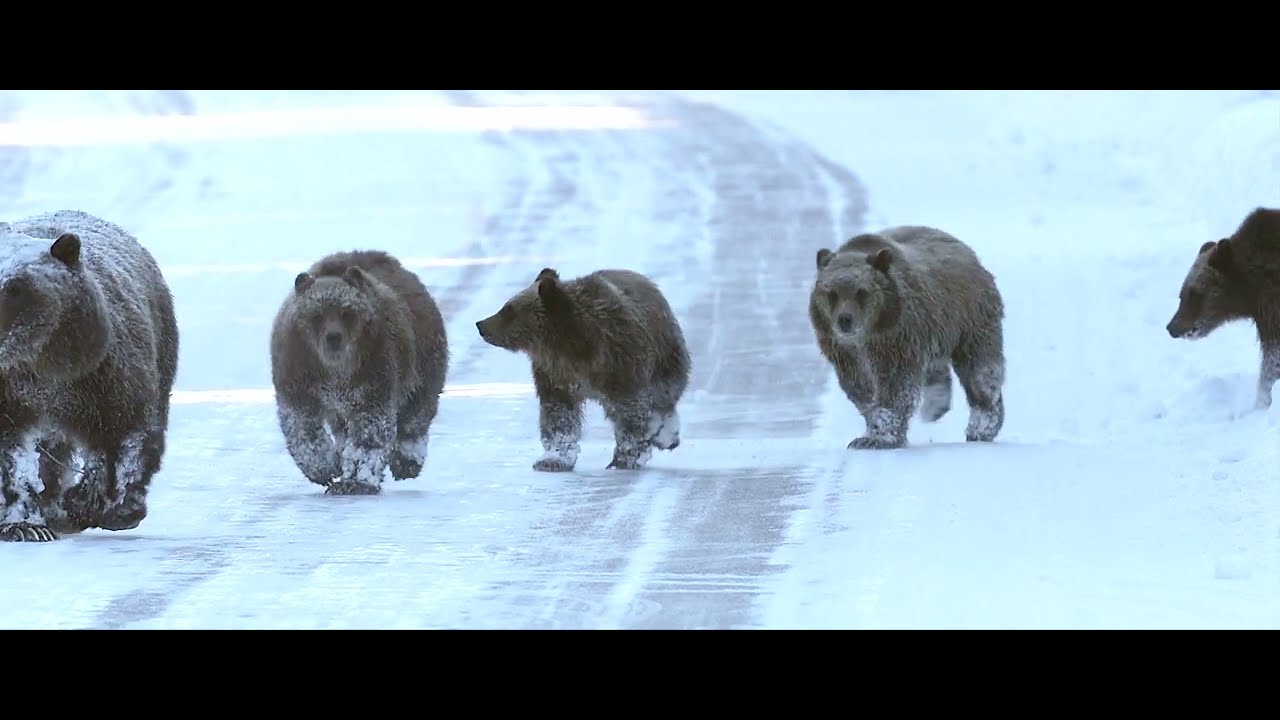
A grizzly sow and four cubs come out of the trees above a snow-packed road in Grand Teton National Park and jump the bank. Within moments the whole family is on the road, walking straight at the truck.
This is grizzly 399, and the date is December 31, 2020. The road runs south of Jackson Lake Dam toward Signal Mountain, and the camera rides on the truck's bumper, low and level with the bears. The footage is slowed down. All five keep coming, legs plastered with snow, in no hurry to leave the road to anyone else.
New Year's Eve is late for a grizzly family to be strolling around. Lower-48 grizzlies den for four to six months, typically going in from October to December, and females tend to enter earlier than males. Ahead of that, in the autumn feeding binge, a bear can put on more than three pounds a day. Once denned, they do not eat or drink at all.
Then there is the number. Four cubs is a big litter. The average for grizzlies is about two, and in Alaska litters run from one to four, with fewer than half of the cubs there surviving. All four of these are already big, and the whole family looks in good shape. Grizzly families typically stay together two or three years before the young strike out alone.
The stakes behind that tally are steep. A female grizzly may need ten years or more just to replace herself, one of the slowest reproductive rates among land mammals. In the pecking order, mature females with cubs generally come second, behind adult males and ahead of other single adults, for the best food and ground.
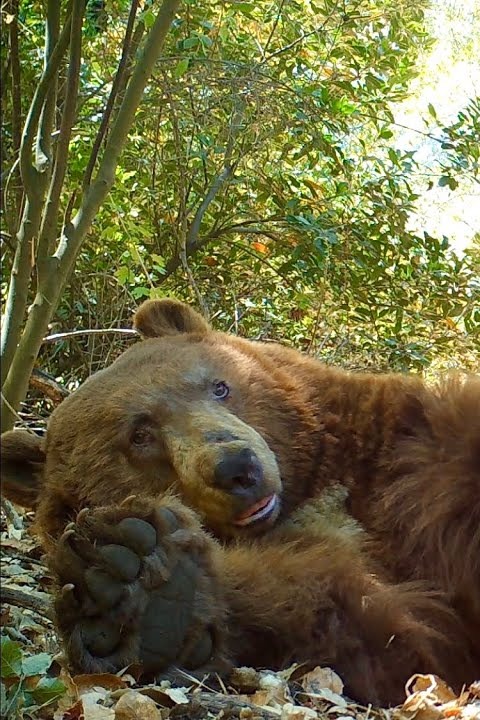
Anyone trying to sort these animals from black bears should look past the coats. Both species run from blond to black. Grizzlies carry a hump of muscle above the shoulders, a dished face and front claws built for digging rather than climbing.