My Crittercam
My Crittercam › Moose

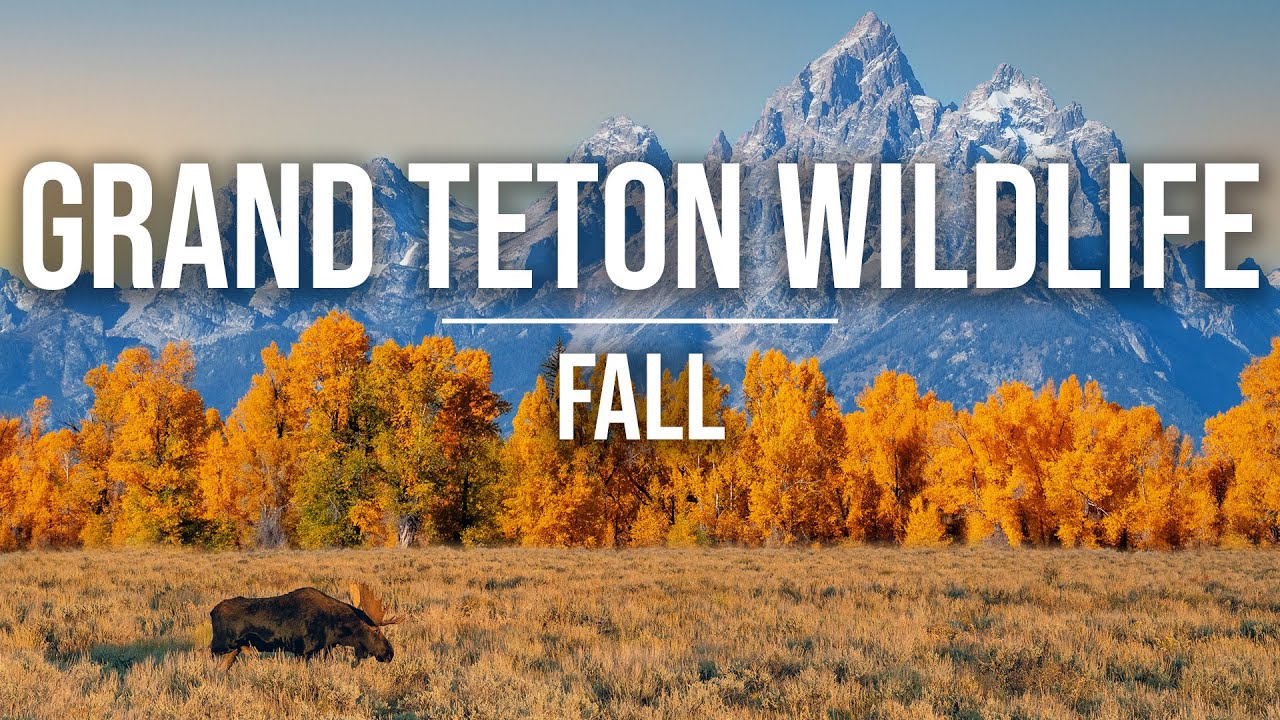
Bull moose feeds in a golden Grand Teton meadow

A dark bull moose with palmate antlers feeds head down in a golden meadow, yellow trees and blue mountain peaks behind, with large white title lettering cut off across the top.

Footage: Dan Treks · 28:52 · uploaded October 15, 2024
Written by My Crittercam · published November 6, 2026

The Story

Head low in a meadow gone gold, a bull moose feeds broadside below the peaks of Grand Teton National Park. A band of yellow trees blazes behind him, and above them the blue rock goes straight up.

It is fall in the Tetons, the season this film follows, with moose, bugling elk and coyotes all active and hikes to Delta Lake and Moose Ponds along the way. The bull holds the cover frame, and he repays a closer look.

The moose is the largest member of the deer family. A mature animal carries a hump over the front shoulders and a flap of skin under the throat called a bell, larger and rounder on a bull than on a cow. Coats run generally dark, black to brown or grayish brown, and a bull's face is black. The long, drooping muzzle is down in the meadow here, and the palmate antlers rise above it. On a big bull they can reach five feet across.

Fall sets the agenda for a bull moose. Minnesota's wildlife agency puts the moose rut from mid-September to mid-October; Alaska's biologists give late September and early October. The velvet that covers growing antlers sheds as testosterone surges in September. In the rut, bulls spar with those antlers, grunt to court cows or challenge rivals, and splash their antlers with urine, a scent that entices cows to breed.

Otherwise a moose keeps its own company. It is the least social deer, fairly solitary outside the mating season and not territorial, and in this frame the bull has the meadow to himself.

Rocky Mountain National Park advises looking for moose among willows and aquatic plants, along rivers and around lakes. Fall food shifts to twigs of willow, birch and aspen, and an adult needs about 20 kg of it a day. Once the rut ends, bulls drop their antlers in late fall or early winter to save energy for the cold. The mountains make a famous backdrop; head down in the frame, he gives them no notice.
Field Guide

In fall color in Grand Teton National Park, a lone bull moose feeds head down in a golden meadow below the Teton peaks. Full field guide for the Moose

Common nameMoose
Scientific nameAlces alces
FamilyCervidae (Deer family)
SizeAdults stand on average 5 to 7 feet at the shoulder; total length about 9 feet (Maine).National Park Service · Maine Department of Inland Fisheries and Wildlife · Animal Diversity Web, University of Michigan
Weight800 lb (small adult female) to 1,600 lb (large adult male).Alaska Department of Fish and Game · Animal Diversity Web, University of Michigan
DietBrowser: leaves and shoots in summer, twigs of willow, birch and aspen in fall and winter, plus aquatic plants. Up to 70 lb of food a day.Animal Diversity Web, University of Michigan · Alaska Department of Fish and Game · National Park Service
Active whenCrepuscular: most active at dawn and dusk.Animal Diversity Web, University of Michigan · Maine Department of Inland Fisheries and Wildlife
RangeMuch of Alaska and Canada, the northern edge of the contiguous US, and south along the Rocky Mountains to Utah and Colorado.Animal Diversity Web, University of Michigan
LifespanRarely more than 16 years in the wild; one cow lived to 22.Alaska Department of Fish and Game · Animal Diversity Web, University of Michigan
Conservation statusIUCN Red List: Least Concern. NatureServe: G5; N5 in US and Canada.Animal Diversity Web, University of Michigan · NatureServe Explorer
Cam notes · Camera4K travel film of a fall wildlife and hiking trip
Cam notes · Time of dayday
Cam notes · Seasonfall, with fall foliage
Cam notes · PlaceGrand Teton National Park, Wyoming

Habitat

Behavior

Questions

When is the moose rut?

Breeding runs in late September and early October. Bulls can be extremely aggressive and dangerous during the rut.Alaska Department of Fish and Game · National Park Service

Where is the best place to look for moose?

In Rocky Mountain National Park, the advice is to look for moose in areas with aquatic vegetation and willows. They use riparian areas along rivers, and lakes.National Park Service

Do moose travel in groups?

Moose are the least social member of the deer family and are fairly solitary except during the mating season. They are not territorial.Animal Diversity Web, University of Michigan

Latest clips