The Story
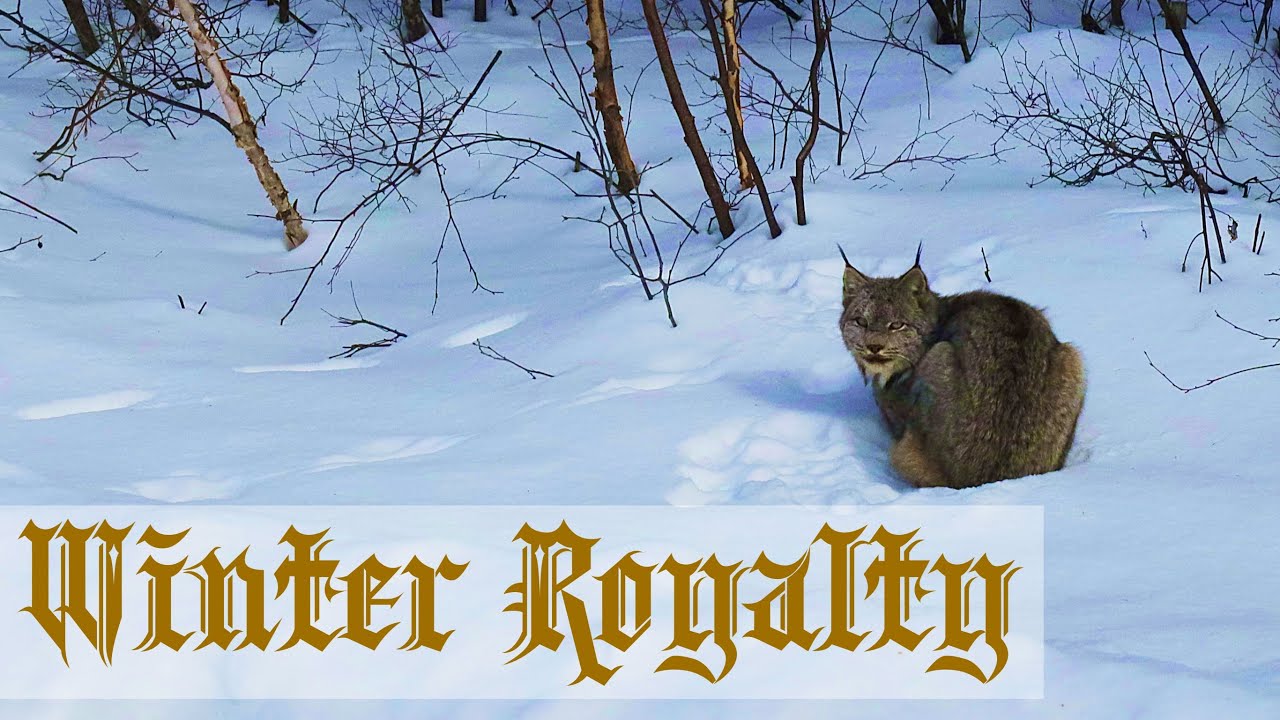
A Canada lynx sits hunched in daylight snow, black ear tufts straight up, eyes half shut, and does not run as the camera comes closer.
The filmer caught it out of the corner of his eye from a moving vehicle and ended up 15 or 20 feet from it. That is close range for a cat its own filmer calls elusive. It stays put through the whole encounter and looks, more than anything, tired. Nothing in the footage says why it lets him that near.
Three of its field marks are on show. The ear tufts are long and black, much longer than a bobcat's. The coat is grizzled gray, not the reddish brown, crisply spotted coat of a bobcat. A pale goatee hangs under the chin, and the neck fur stands thick, because lynx neck hair grows especially long in winter.
The feet are tucked under the body, out of sight. Lynx paws are exceptionally large and carry long, thick fur; the toes spread wide in soft snow, and the broad feet work as snowshoes, which with long hind legs likely give a seasonal edge over other terrestrial hare predators in deep powder. Bobcats, with smaller feet without furry soles, are less suited to heavy snow.
The daylight is the odd part. Lynx are most active between dusk and dawn and hide during the day. This one is neither hidden nor hunting, just sitting in the open in plain light.
When a lynx does hunt, snowshoe hares make up 35 to 99 percent of the prey biomass it takes. Lynx numbers rise and fall with the hares on a linked cycle of about 9.6 years. The species is rated Least Concern by the IUCN and Not at Risk in Canada, though the contiguous US population was listed as threatened in 2000.
The filmer borrows Ontario Parks' name for the lynx: king of winter animals in the boreal forest. This king holds its audience with its eyes half closed.