The Story
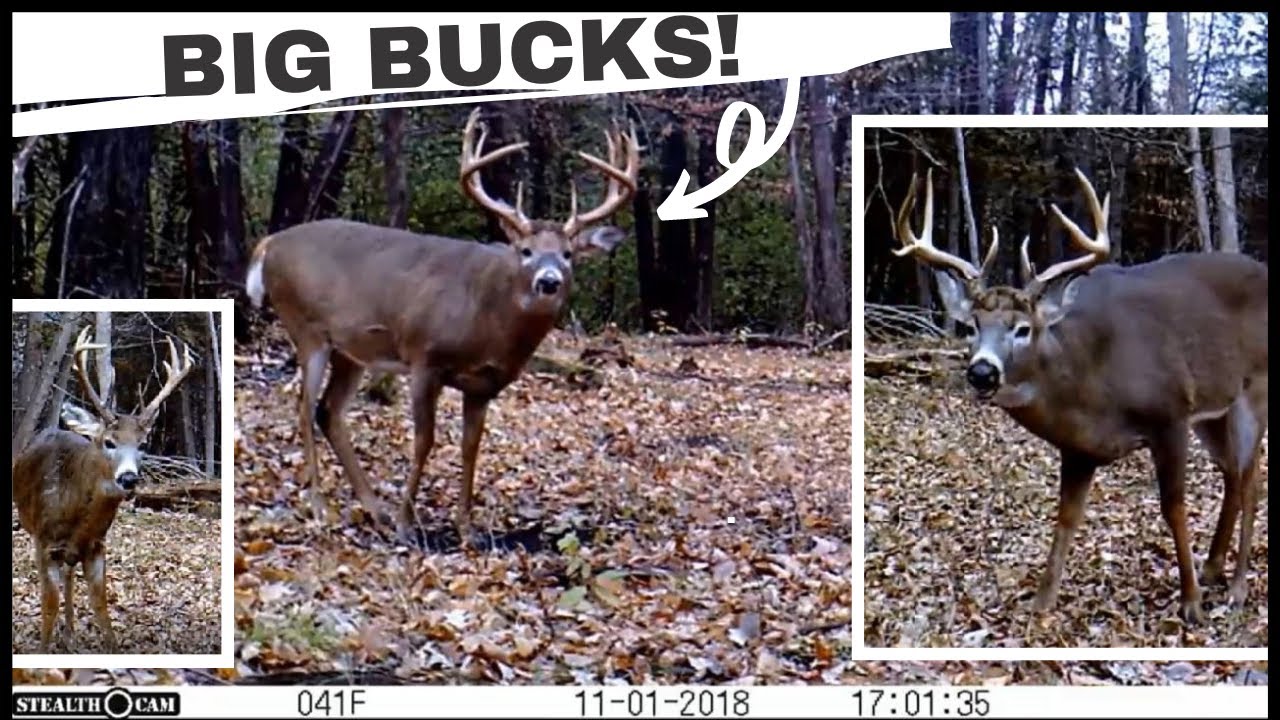
Antlers first. A white-tailed buck carrying a tall, wide-spreading rack stands side-on across a floor of fallen leaves and has his head turned to stare at the trail camera, a minute past five on the first of November.
His face could be a field guide plate: a white band behind the black nose, white rings around the eyes, white on the throat. He appears among ten buck clips pulled from several camera sites near Ottawa, Ontario, all caught during the fall rut, and one of them carries 14 points.
The rut explains most of what follows. Bucks that may run in small summer groups of two to four split up before breeding, and in front of these lenses they paw scrapes in the litter and work the licking branch hanging above. Missouri's conservation department says why: before and during the breeding season, bucks leave gland secretions at scrapes and branches, and rub their antlers on trees, as a way of talking to other deer. One buck keeps going back to the same dangling branch as if nothing else in the woods counts.
Then there are the does. Bucks chase them through the clips, and the urgency has a reason: a doe in estrus is receptive for only about 24 hours, and if she is not bred she comes back into heat every 28 days until early winter. Rival bucks clash antlers for access to her, and they do not guard harems.
Daylight is part of the story too. Whitetails are crepuscular, feeding mainly around dawn and again from late afternoon until dusk, yet in the breeding season their activity may increase through the day, and several of these bucks are filmed in daylight. The racks on show are temporary. Whitetail antlers grow in velvet from April or May and harden by fall; Connecticut bucks shed them between mid-December and late January. One December buck already looks like he has had a very long month.